
Getting There and Island Basics
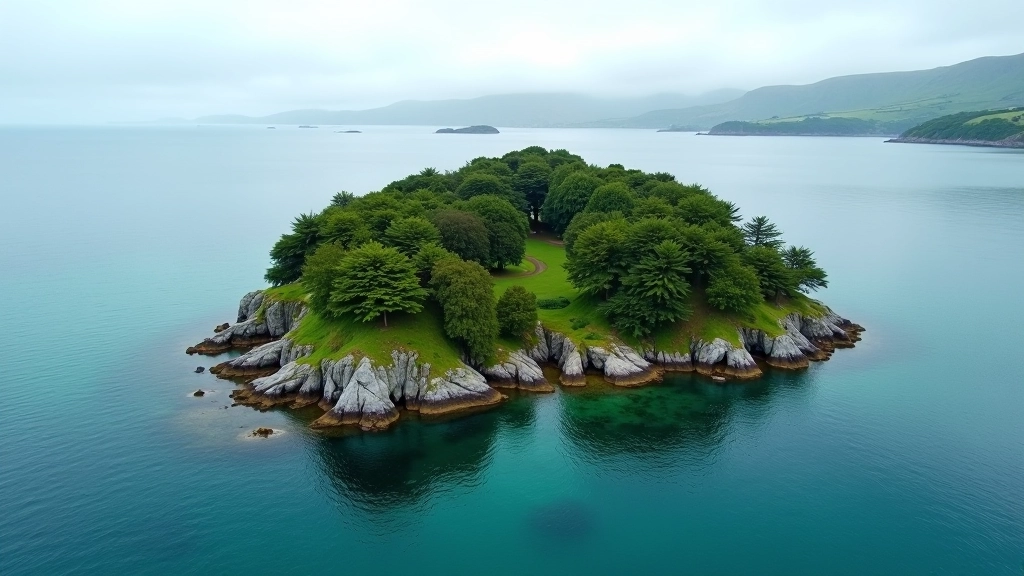
Garinish Island sits in Bantry Bay, about 10 minutes by boat from Glengarriff village on the mainland. You'll catch a small passenger ferry from the mainland jetty — it's a proper little journey, not just a quick hop across. The island itself covers roughly 37 acres, though you won't walk all of it. Most visitors stick to the formal gardens and the main paths.
The island's been a managed attraction since 1953. It's not wild or untamed — everything's been thoughtfully laid out. You've got proper paths, benches scattered throughout, and clear signage. Don't expect to be roughing it. There's a café at the entrance, a small visitor centre, and staff who know the place inside out.
"The gardens feel timeless. Walking through them, you're stepping into someone's grand vision from the 1920s — and it's held up remarkably well."
The Italianate Gardens: What You'll Actually See
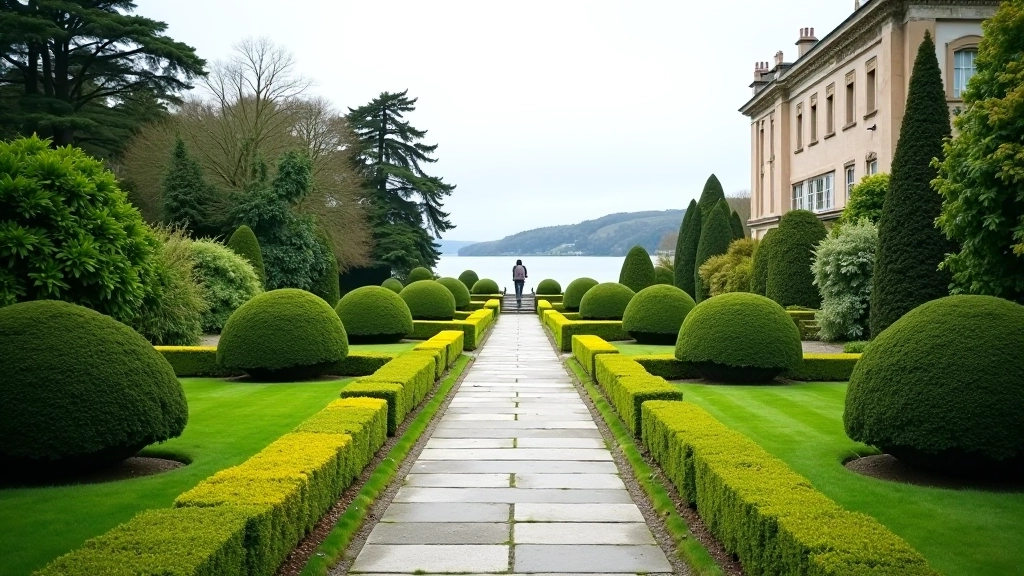
The gardens were designed in the 1920s by Harold Peto, a landscape architect who'd worked on estates across England and Europe. He created something that feels transported — Italian Renaissance style reimagined for the Irish coast. You're not looking at Versailles, but the influence is there: symmetrical layouts, formal hedges, stone balustrades, and terraced levels.
The main features include the sunken garden (seriously impressive, with a pool at the centre), the Italian garden itself (very structured, very geometric), and various grottos and stone structures. There's also a Grecian temple overlooking the bay. All of it's been maintained in good condition. The hedges are trimmed, the paths are clear, and the whole thing reads like someone still cares about how it looks.
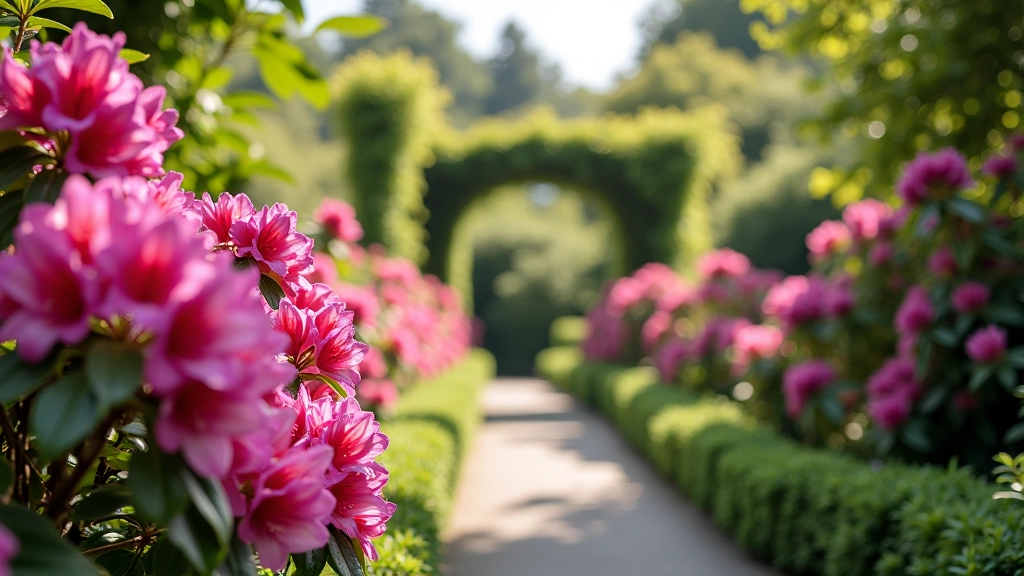
Walking through, you'll notice it's not cramped. The paths spread things out — you won't feel crowded even in summer. Most people visit between June and August, but you can come year-round. Spring brings rhododendrons and azaleas (stunning), autumn's quieter but still pleasant.
Timing Your Visit: Hours, Seasons, and Crowds
Best Times to Visit
- Late May to June: Spring flowers in full bloom, fewer crowds than July-August
- September: Gardens still maintained, summer tourists gone, pleasant weather
- Late March to April: Quieter, some early flowering, fresh feeling
- Avoid: July-August peak season if you prefer breathing room
The island opens at 10 a.m. daily and closes between 4:30 and 6 p.m. depending on the season. Last ferry usually runs about 30 minutes before closing. You'll want at least two hours on the island — one and a half if you're moving quickly, three if you're taking photos and reading all the information plaques.
Walking Routes and What to Expect
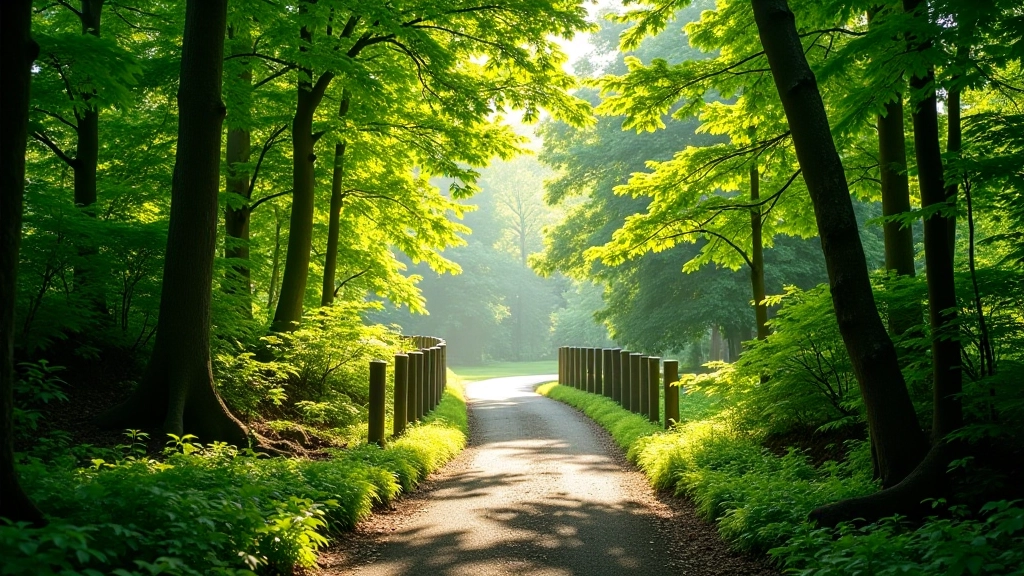
There's no single "route" — you wander where you like. The main formal gardens are concentrated in the centre-to-western section of the island. From there, you can branch into more wooded areas where paths wind through native trees and shrubland. It's not strenuous. Most paths are well-maintained and relatively flat, though some sections are a bit steep.
The walking surface varies — some areas are stone-paved, others are gravel or compacted earth. Wear decent shoes with grip. The weather can change quickly (it's the Atlantic coast), so bring a light jacket even if it looks fine when you arrive. The island's exposed, so wind's often a factor.
The views are the real highlight. From the Grecian temple and various high points, you're looking across Bantry Bay toward the mainland mountains. On a clear day, it's genuinely spectacular. The light changes throughout the day, so early morning or late afternoon photography can be worthwhile.
Planning Note
This guide provides informational content about visiting Garinish Island based on typical visitor experiences. Actual conditions, opening hours, ferry schedules, and facilities may vary. Always check the official island website or contact Glengarriff Tourism before visiting, especially for off-season travel or if you have mobility concerns. Weather on the Irish coast can change rapidly — come prepared. Admission fees and ferry costs are separate from the visit itself.
What Makes It Worth the Trip
Garinish Island works because it's genuine. It's not a museum recreation or a theme park version of a garden — it's an actual place that's been maintained for over a century. You're walking through someone's 1920s vision, and it's held up. The Italianate design feels thoughtful without being pretentious. The views are legitimately impressive. And the whole experience is manageable — you're not exhausted after, you're not overwhelmed by crowds, you're just satisfied.
For anyone exploring Southwest Cork and Kerry, it's worth a half-day. Combine it with Glengarriff village (excellent for lunch and browsing) and you've got a proper outing. The island's accessible for various mobility levels, the café serves decent food, and there's enough visual interest to keep photographers happy for hours. Come in late spring or early autumn if you can, wear comfortable shoes, bring a camera, and expect to spend two to three hours exploring. You won't regret it.